Key Takeaways
- Your deadlines count from the date on your building's own Order to Comply, not from one citywide date.
- Missing a milestone can lead to escalating LADBS enforcement, but submitting plans, pulling permits, and finishing the work is still the way back into compliance.
- Tenant plans, rent pass-through limits, and grants each have their own rules and dates, so sort them out before construction starts.
If you’ve hit a missed soft story deadline, the order doesn’t go away. It stays on the building, LADBS can escalate enforcement, and the only real fix is to get engineering, plan check, permits, and construction moving again as soon as you can. You can’t undo the late date. You can control what happens next, and that starts with knowing exactly where your building stands.
How do I find out my building's real soft-story dates?
Your dates count from the date printed on your building's own Order to Comply. Find that order in your files or in LADBS records, then count forward from it.
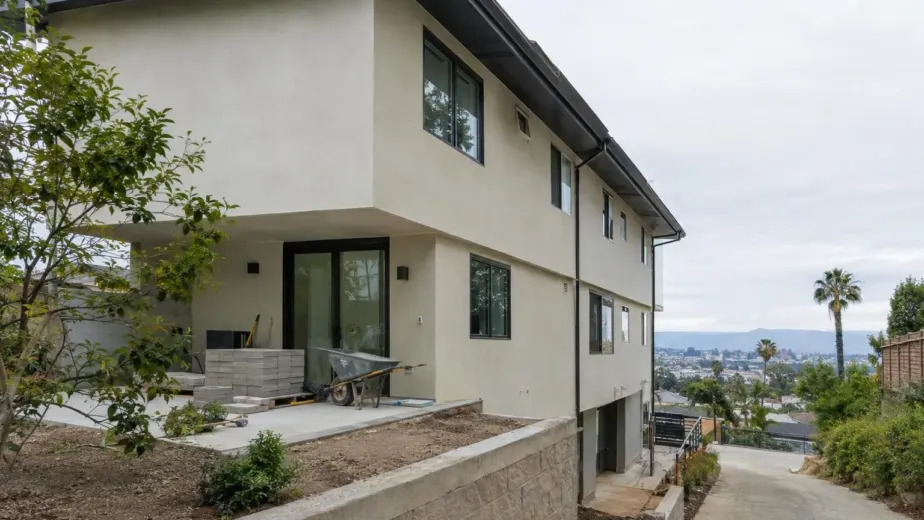
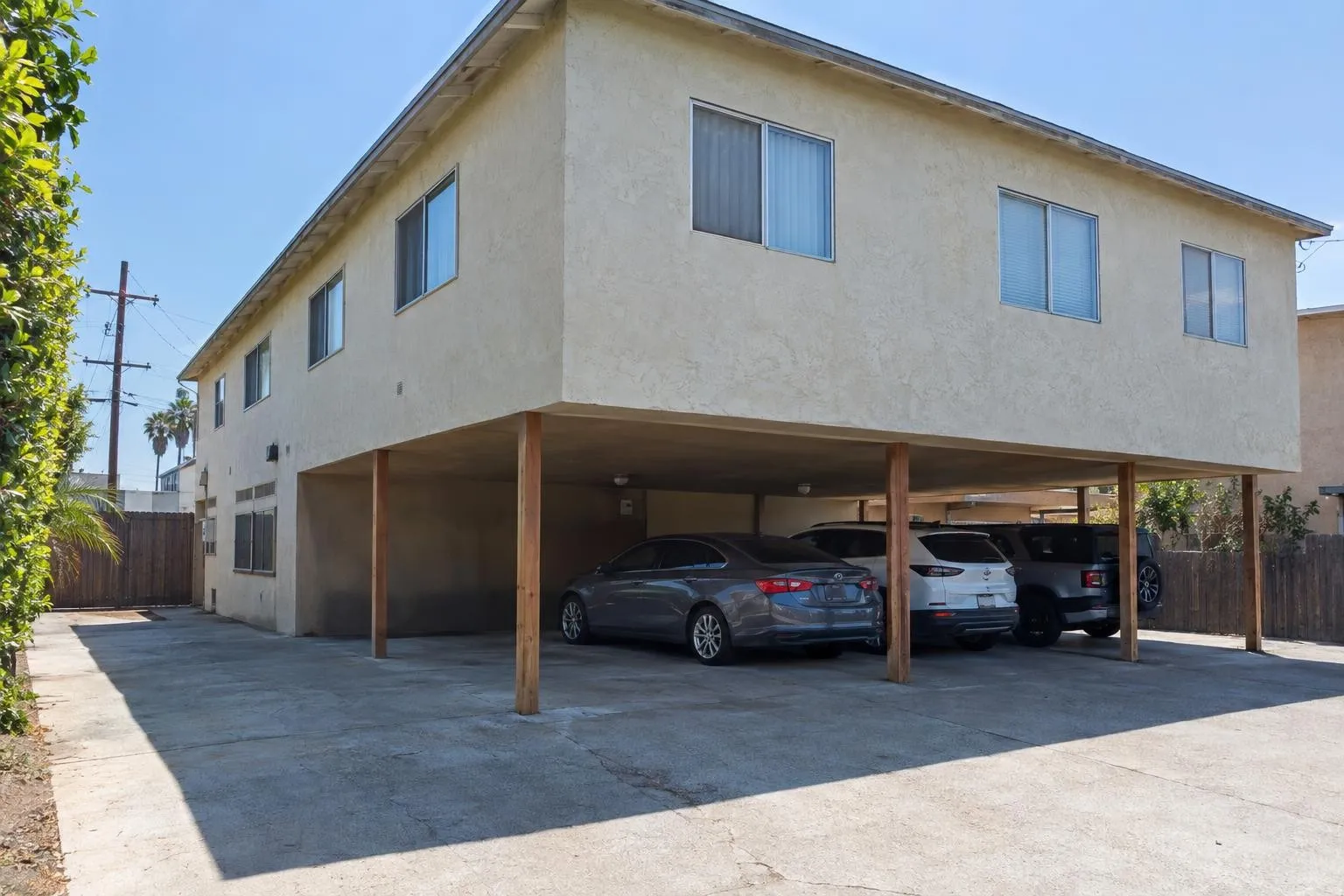
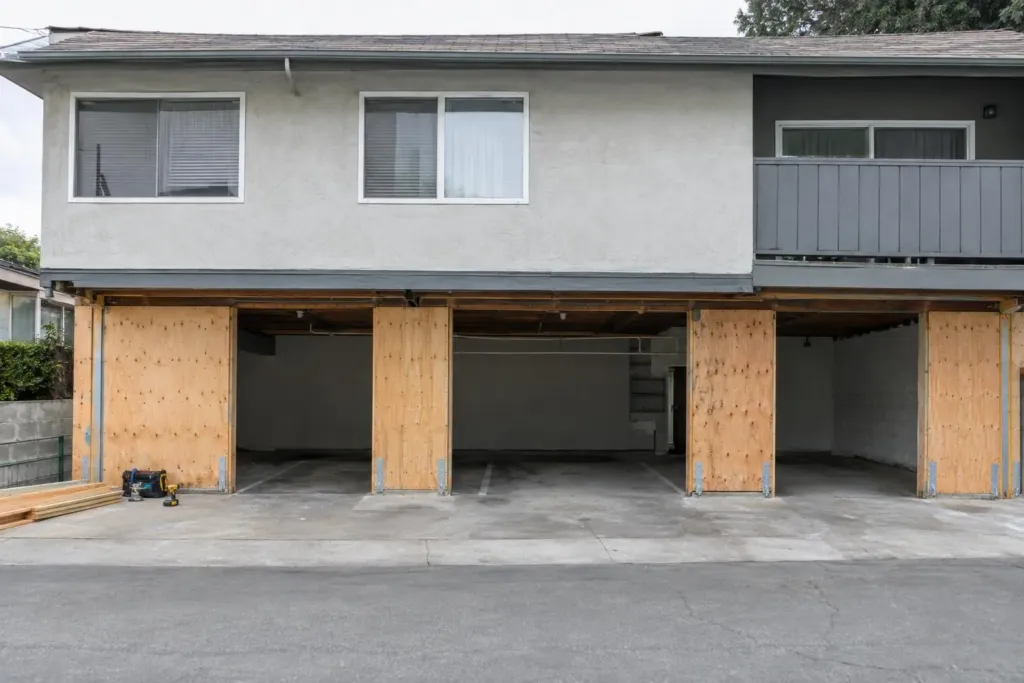
An Order to Comply is the formal notice LADBS mailed telling the owner that the building is in the soft-story program and must be retrofitted. A soft story is a ground floor that’s much weaker than the floors above it, usually because of tuck-under parking or wide open walls. The city’s LADBS Soft-Story Retrofit Program page explains which buildings are covered: pre-1978 wood-frame buildings of two or more stories with these weak wall lines.
Ignore websites that quote one deadline for the whole city. Orders went out at different times, so two buildings on the same street can have different dates. Yours is the only one that matters.
If you can’t find the paper order, search your address in LADBS’s online building records, or ask LADBS directly. Those records also show whether anyone ever submitted plans or pulled a permit, which matters if you bought the building or took over management from someone else.
Write the order date down and keep a copy with your property files. If you want a refresher on how the program works overall, our practical guide to soft-story retrofits in Los Angeles covers the basics.
Which milestone did I miss: plans, permit, or construction?
The program gives three windows from the order date: 2 years to submit plans or proof the building doesn't need work, 3.5 years to obtain the permit, and 7 years to finish construction. The milestone you missed tells you where to start.
If nothing was ever submitted, you missed the first window, and the job starts with an engineer. Plan check is the city’s review of the engineer’s drawings and calculations before a permit is issued. Without a plan check file, there’s nothing for LADBS to approve.
If plans were submitted but never approved, the file may have stalled with open corrections. Plan check files can expire when nobody answers the city’s comments. Your engineer can find out whether the file is still alive or has to be resubmitted.
If a permit was issued but the work never finished, the permit itself may have lapsed. LADBS can tell you whether it’s still active and what it takes to renew it or pull a new one.
Some owners have another route. An engineer may be able to show the building was already retrofitted, or an owner may plan to demolish instead. Either way, it goes through LADBS, and the department decides whether it satisfies the order.
What can LADBS do after a missed soft story deadline?
Expect escalating notices first, and the case can move into formal code enforcement after that. The city decides which steps to take and when, so this isn't something to wait out.
Most owners first see follow-up letters reminding them of the order and the missed date. If those go unanswered, the case can move further into enforcement. LADBS controls that process, not the owner or the contractor.
The Los Angeles Municipal Code describes, in its seismic retrofit rules, how the city can order a building vacated when permits aren’t pulled or work doesn’t start after notice. It also makes ignoring an order to repair or demolish within the time limits a misdemeanor. That provision sits in a related seismic section, so ask LADBS exactly which enforcement steps apply to your soft-story order.
Be careful with web pages that quote daily fines, automatic liens, or a revoked Certificate of Occupancy. The official soft-story program pages don’t set those out, so don’t make decisions based on them. Get your answer from the city.
A missed order can also come up when you refinance, renew insurance, or sell. Buyers and lenders often ask about seismic orders. Be upfront, and talk with your insurance agent and lender about how they handle open orders.
Can I still get plans approved and a permit after my deadline passed?
Yes. LADBS still reviews retrofit plans and issues permits for buildings that are past their dates. How the city treats your late case is up to LADBS, but moving forward is the only path that ends the order.
An old plan set may not match the building anymore. Parking layouts change, walls get added, and wood under the building ages. Before resubmitting, have the engineer confirm the drawings still fit what’s actually there.
In older Los Angeles apartment buildings, the wood sill plate, the board bolted to the top of the foundation, is often soft where water has dripped for years from planters, downspouts, or leaky pipes. If that shows up when the walls open, the design has to account for it. Our post on what to do when a rotted sill plate turns up during a retrofit walks through it.
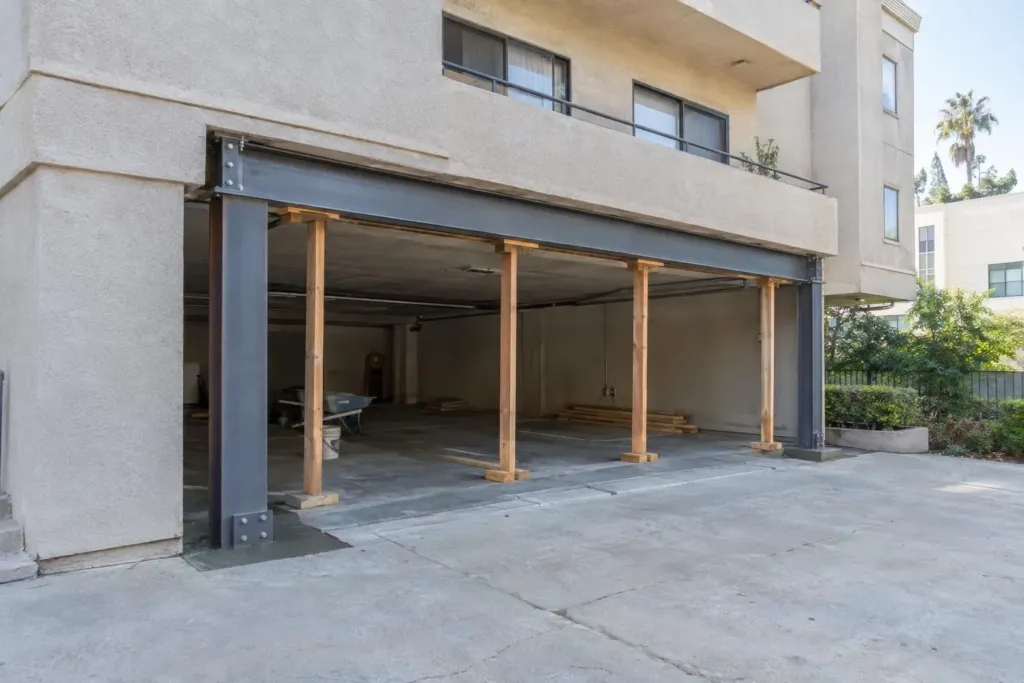
The engineer will also choose the main fix for the weak wall line. A shear wall is a wall braced with structural plywood and hardware so it resists sideways shaking. A steel moment frame is a rigid steel frame that keeps a parking opening open while still holding the building. Our article on choosing a steel moment frame or shear walls explains the tradeoffs.
Plan check time depends on the city’s workload and how complete your submission is. LADBS sets that pace, so plan around it instead of counting on a quick turnaround.
How do I start catching up, step by step?
Gather your order and records, hire a licensed engineer, get plans approved, then line up the tenant paperwork, the permit, and a licensed contractor. Doing them in order keeps you from paying for the same work twice.
When you’re behind, it’s tempting to hire whoever answers the phone first. A rushed hire with the wrong license can cost you more time than it saves. Work through it in this order:
- Find your Order to Comply and pull the property’s LADBS records so you know what’s already on file.
- Hire a California-licensed civil or structural engineer. Check the license with the Board for Professional Engineers, Land Surveyors, and Geologists (BPELSG) before you sign.
- Have the engineer inspect the building, including the parking level, foundation, and wood framing, and prepare or update the plans.
- Submit the plans to LADBS plan check, or revive the old file if it can still be used, and answer correction comments quickly.
- Hire a licensed general contractor. Look up the license, its classification, and its insurance status on the Contractors State License Board website.
- Get the building permit issued.
- If you have rent-stabilized tenants, file the Tenant Habitability Plan with LAHD after the permit is issued and before work starts.
- Build the work, call for city inspections at each stage, and keep every inspection sign-off through final.
If the job needs street space for a dumpster, a crane to lift steel, or work on the sidewalk, that usually takes a separate permit from LA Public Works. Ask your contractor early so it doesn’t hold up the start.
For what to ask before you hire, see our post on how to choose a seismic retrofit contractor.
Will my tenants have to move out during the retrofit?
Most soft-story work happens at the parking level, so tenants often stay, though some units may need temporary relocation. A city order to vacate for non-compliance is a separate and much more serious step.
Retrofit crews mostly work in carports, garages, and ground-floor walls. Tenants may lose parking for a while, deal with noise and dust, or have utilities shut off briefly. Units right above or next to the work may need people out for part of the job.
That’s what the Tenant Habitability Plan covers. It’s the Los Angeles Housing Department’s process where you explain how you’ll protect tenants’ safety and living conditions during construction. The LAHD Seismic Retrofit Work Program page says to file it after permits are issued, and it has to be in before work starts.
If any tenant needs temporary relocation, LAHD rules spell out what you owe and how tenants return to their units. Read them before you set a start date, not after.
If LADBS ever orders a building vacated over a missed order, tenant duties get far bigger and far more urgent. Talk with LAHD and a landlord-tenant attorney right away if you get anything that mentions vacating.
Can I still pass part of the cost to rent-stabilized tenants if I finish late?
LAHD runs a cost-recovery program that lets owners apply for a temporary tenant surcharge after the work is done. It needs LAHD approval, has firm limits, and must be filed within 12 months of finishing.
The Rent Stabilization Ordinance (RSO) is the city law that limits rent increases on many older apartments. If your units fall under it, you can apply to pass part of the mandatory retrofit cost through to tenants.
The limits matter. LAHD’s guidance says the pass-through is capped at 50% of the total cost, split among the units, with a monthly maximum per unit, spread over 120 months. It’s a temporary surcharge, not part of base rent, and nothing is collected until LAHD approves it.
The 12-month filing window starts when the work is complete. Ask LAHD whether a late finish affects your application, and don’t let that window slip after already missing the city’s construction date.
Don’t count the pass-through as construction money. You pay for the work up front, and any approved surcharge comes back slowly. Keep permits, invoices, payment records, and final inspection sign-offs together so the application is easy to build.
Are any grants still available for a late soft-story retrofit?
For soft-story apartment buildings with 5 to 10 units, the state's EMR grant is the one to watch, but it only opens in set registration windows. The ESS grant is for owner-occupied houses with living space over a garage, not apartment buildings under the city order.
The Earthquake Multi-Unit Retrofit (EMR) program is run by the California Residential Mitigation Program. Its EMR registration announcement says the 2026 registration ran from August 19 to September 30, 2026, for soft-story apartment buildings in cities with mandatory programs, including Los Angeles. Check the program for future rounds.
The Earthquake Soft-Story (ESS) grant often gets mixed up with EMR. ESS is meant for owner-occupied single-family homes with a room over the garage. It isn’t meant to pay for an ordinance-required apartment retrofit.
Grant programs set their own rules on timing, eligibility, and paperwork, so read them before work starts. Don’t stall your permit waiting for a grant window, though. You’re already past your date, and the order keeps running either way.
I just bought the building. Am I responsible for the previous owner's missed order?
Yes. The order stays with the building, not with the person who owned it when it was issued. The current owner is the one the city looks to for compliance.
The order doesn’t reset because the building changed hands. Your dates still count from the original Order to Comply, so a building bought late in the schedule may already be behind on day one.
If you’re buying, check LADBS records during escrow, not after. Ask the seller for any engineering, plan check files, permits, and letters from the city. A partial plan set can save you real time if it still matches the building.
If you’re selling, disclose the order and its status in writing. Buyers, lenders, and title companies may raise it, and surprises late in escrow tend to cost everyone.
Either way, talk with your real estate attorney or agent about disclosure, and get your engineer started as soon as you own the building.
When should I call a licensed contractor about a missed soft-story order?
Call once you’ve found your Order to Comply and know which milestone you missed, or sooner if you need help sorting out where things stand. A licensed contractor can walk the parking level with your engineer, look for rot or hidden damage that could change the design, and plan the work around your tenants and the city’s inspections. Bringing the builder in early means fewer surprises after the walls are open.
Villa Bella Construction is a licensed and insured general contractor that does soft-story retrofit work in Los Angeles. We find the real weak points first, then build the safest targeted repair the city will accept, without tearing out more than the building needs. LADBS still decides approvals and timelines, and we’ll help you plan around them.
“Steve was easy to work with and was very responsive.” — Bill M., Yelp review
Villa Bella Construction is a licensed and insured general contractor, building in Los Angeles for 25 years. CSLB License #1093648 (B – General Building).
Call +1 (323) 825-9798 or send us your project details.
Learn more: Soft-story retrofit.
Planning a construction or remodeling project in Los Angeles?
Schedule a Free On-Site Consultation or call +1 (323) 825-9798.