
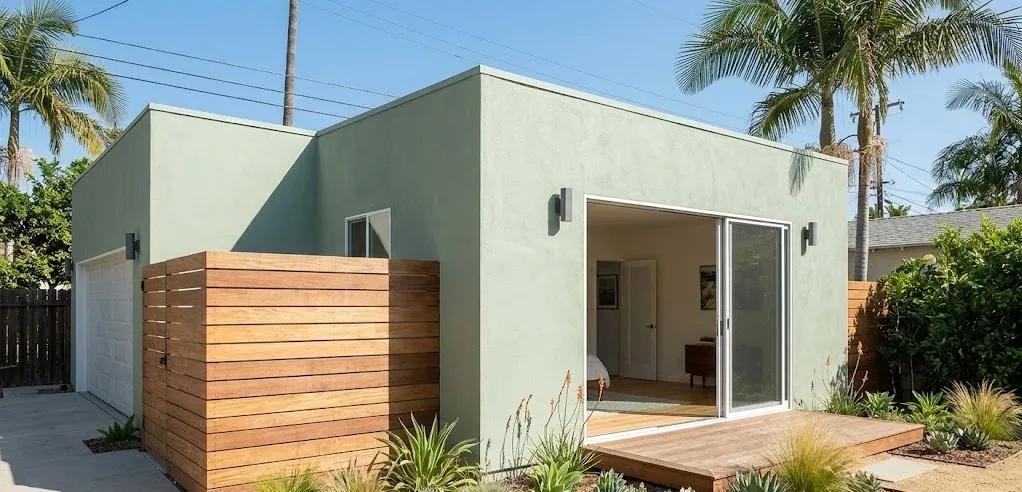
ADU and garage conversions in Los Angeles are one of the fastest ways to create new living space or rental income—if they are planned and built correctly. Villa Bella Construction designs and builds ADUs in Los Angeles, Glendale, Pasadena, Santa Monica, Culver City, and surrounding cities, handling zoning checks, permits, structural reinforcement, and final inspections so your unit is legal, safe, and ready for move‑in.
What Counts as an ADU or Garage Conversion in Los Angeles
An Accessory Dwelling Unit (ADU) is a self‑contained living unit on the same lot as a primary residence. Common ADU types include converted garages, attached additions, and detached backyard units. In Los Angeles, Glendale, and Pasadena, ADUs must meet specific rules for setbacks, height, parking, and utilities.
A simple bedroom or bonus room added inside the main house is not an ADU. To qualify, the space usually needs:
- A dedicated entrance
- Sleeping, living, and eating space
- A kitchen with a cooking appliance
- A bathroom with a toilet, sink, and shower or tub
Because ADUs are regulated by local zoning and state law, a “DIY” conversion done without permits can create serious problems when you sell, refinance, or try to rent the unit.
Zoning, Permits, and LADBS Approval
Before starting design, zoning must be checked for:
- ADU size limits
- Allowable locations on the lot
- Height and setback rules
- Parking requirements or exemptions
In Los Angeles, most ADU projects require plan review and permits through LADBS. Nearby cities like Glendale and Pasadena have their own processes and may have additional historic or design requirements.
Typical permit steps include:
- Pre‑design review – Confirm ADU type and feasibility.
- Structural and architectural plans – Prepared by engineers and designers.
- Permit submittal – Plans submitted to the city for approval.
- Inspections – Foundation, framing, electrical, plumbing, insulation, and final inspections.
Working with a contractor familiar with local ADU ordinances helps avoid corrections and delays that can add months to the project.
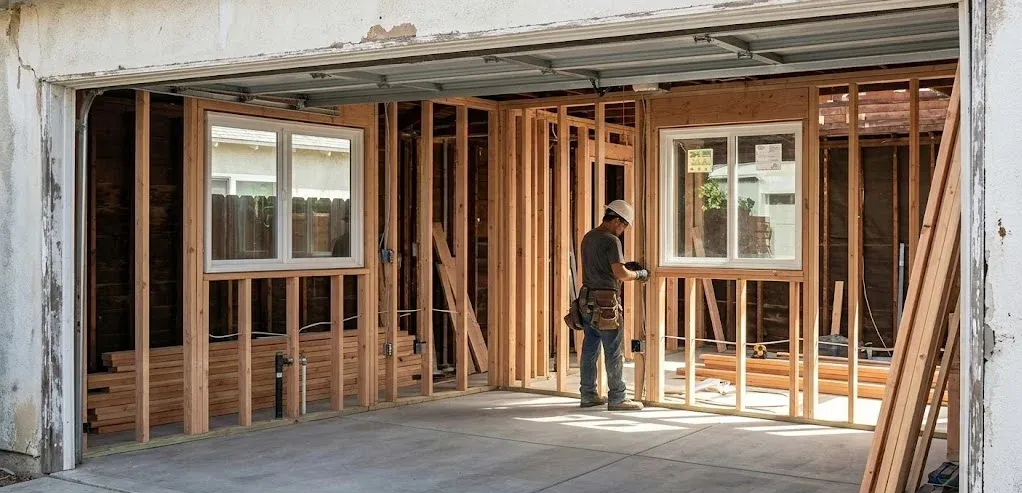
Structural Considerations for Garage Conversions
Many older garages in Los Angeles were never designed as habitable space. Before converting a garage into an ADU, we evaluate:
- Foundation and slab – Thickness, cracking, and reinforcement may need upgrades.
- Framing – Wall studs, headers, and roof framing must meet current structural requirements.
- Lateral bracing – Shear walls or moment frames may be needed for seismic performance.
- Weather protection – Existing walls and roofs often need new insulation, waterproofing, and exterior finishes.
In conversions in Glendale or Pasadena, city reviewers often ask to see engineering details for slab reinforcement, anchoring, and new openings. Completing this structural work correctly is critical for long‑term performance and safety.
Utility Upgrades and Code Requirements
ADUs need safe, code‑compliant:
- Electrical panels and circuits
- Plumbing supply and drain lines
- Gas or electric service for water heating and cooking
- Heating and cooling systems
Older main houses may not have enough electrical capacity or water line sizing to support an additional unit. In those cases, Villa Bella Construction coordinates panel upgrades, sub‑panels, and new utility runs so the ADU passes inspection and functions like a standalone living space.
Energy codes, such as California Title 24, also apply. Windows, insulation, and mechanical systems must meet efficiency standards to get final approval.
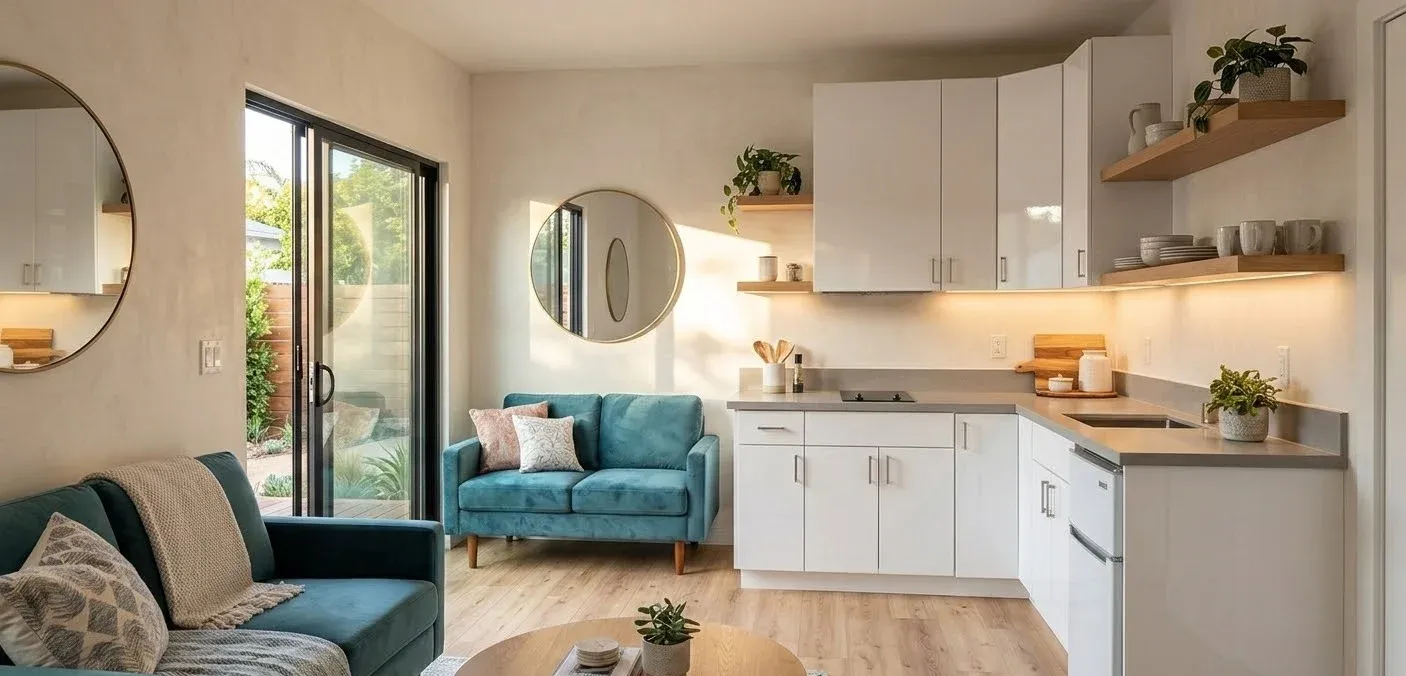
What Drives ADU and Garage Conversion Costs
ADU budgets depend heavily on:
- Size and configuration – Studios cost less than two‑bedroom units with multiple bathrooms.
- Existing structure – Detached garages with good slabs cost less to upgrade than structures that need major foundation and framing work.
- Finish level – Basic finishes cost less than high‑end cabinetry, tile, and fixtures common in Beverly Hills or Santa Monica.
- Site conditions – Access, grading, and utility distances affect labor and trenching costs.
- City requirements – Plan check fees, school fees, and other charges vary by city and ADU size.
A clear, itemized proposal from your contractor should separate structural work, utilities, and finishes so you can see exactly where your money is going.
How Villa Bella Construction Manages ADU Projects
Our ADU and garage conversion process includes:
- Feasibility review – We review your lot, zoning, and existing garage or structure to confirm what is realistic.
- Design and engineering – Work with designers and structural engineers to create plans that meet both your needs and city requirements.
- Permits and approvals – Submit plans, respond to plan check comments, and secure building permits with LADBS or the appropriate city.
- Structural upgrades – Reinforce foundations, framing, and lateral systems per engineered details.
- Build‑out – Complete rough framing, plumbing, electrical, insulation, and finishes.
- Final inspections and close‑out – Coordinate inspections until you receive final sign‑off and can legally use or rent the unit.
Throughout the project, we communicate with owners, HOAs (if applicable), and inspectors so you’re never guessing what comes next.


